Afghanistan
Afghanistan Emergency Health Project
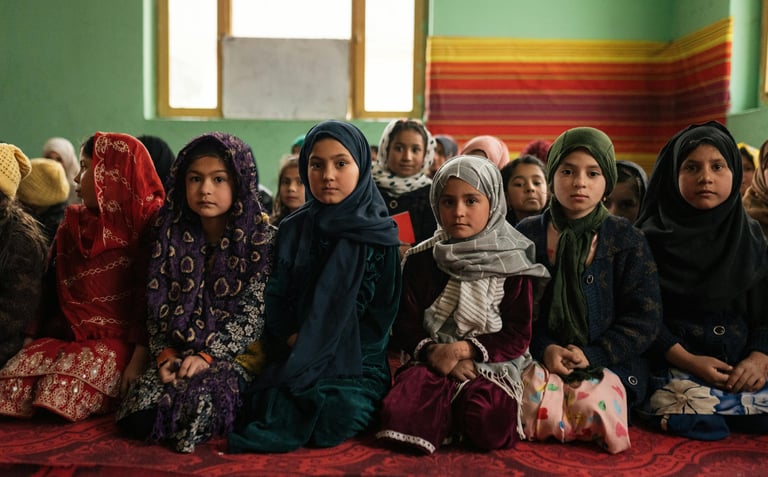
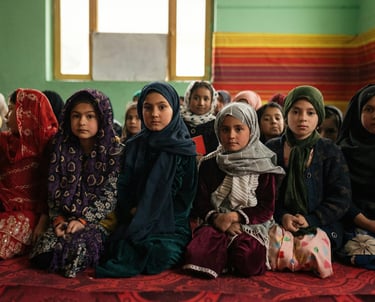
Afghanistan faces one of the world’s worst humanitarian crises. Decades of conflict, economic collapse, and healthcare system breakdowns have left millions—especially women and children—without access to basic medical care.
Through our Afghanistan Emergency Health Project, Vaccine & Care for All Kids is on the ground, working with local partners to:
Train healthcare workers in emergency and primary care.
Provide life-saving medications and medical supplies to underfunded clinics.
Support mobile health teams reaching remote and conflict-affected communities.
Our focus: Maternal and child health, infectious disease treatment (TB, malaria, pneumonia), and malnutrition prevention.
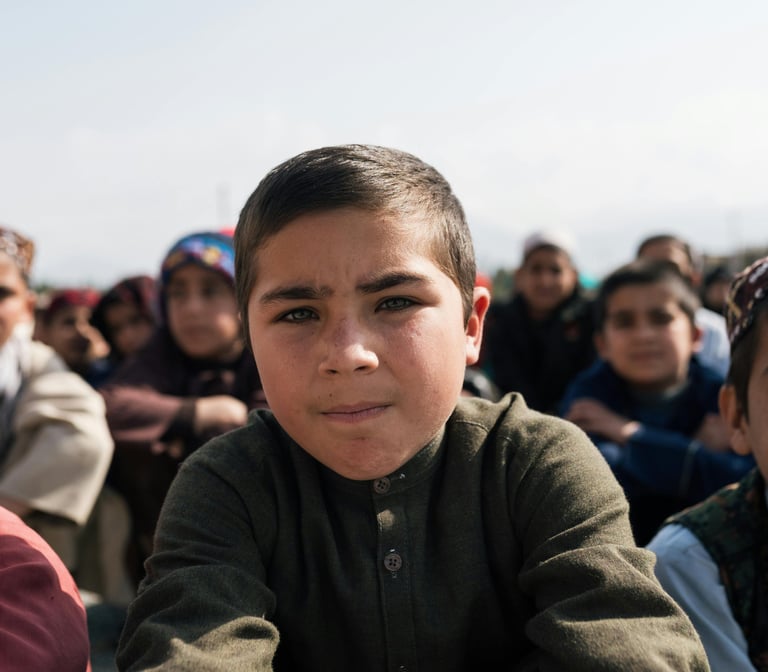
Afghanistan faces critical health challenges—including meningitis outbreaks, drug-resistant tuberculosis (TB), endemic malaria (in eastern/southern regions), and severe childhood malnutrition—exacerbated by conflict, climate shocks, and healthcare system fragmentation. Vaccine & Care For All Kids plans a phased, community-centered deployment to address these gaps, leveraging its sub-Saharan Africa expertise while adapting to Afghanistan’s unique socio-political and geographic realities.
Key Strategic Pillars :
Localized Disease Targeting
Meningitis & TB: finance mobile vaccination/clinic units in isolated zones and provide specialized formations to local medical staff.
Malaria: Adapt seasonal chemoprevention (SMC) and insecticide-treated bednet (ITN) distribution models from Sahelian regions to Afghanistan’s eastern/southern provinces, integrating climate data to preempt outbreaks.
Conflict-Sensitive Healthcare Delivery
Community Health Workers (CHWs): Train and equip local CHWs to bridge gaps in hard-to-reach areas, using a model proven in South Sudan and DRC to navigate insecurity.
Neutral Humanitarian Corridors: Collaborate with UN agencies and local NGOs to negotiate safe passage for medical supplies, applying lessons from Nigeria’s polio eradication efforts in conflict zones.
Cultural Adaptation: Work with Afghan religious leaders and elders to design messaging that aligns with local norms—similar to VCFK’s polio and measles campaigns in Nigeria and Chad.
Help
Join us in protecting children's health.
Contact
Connect
© 2025. All rights reserved.